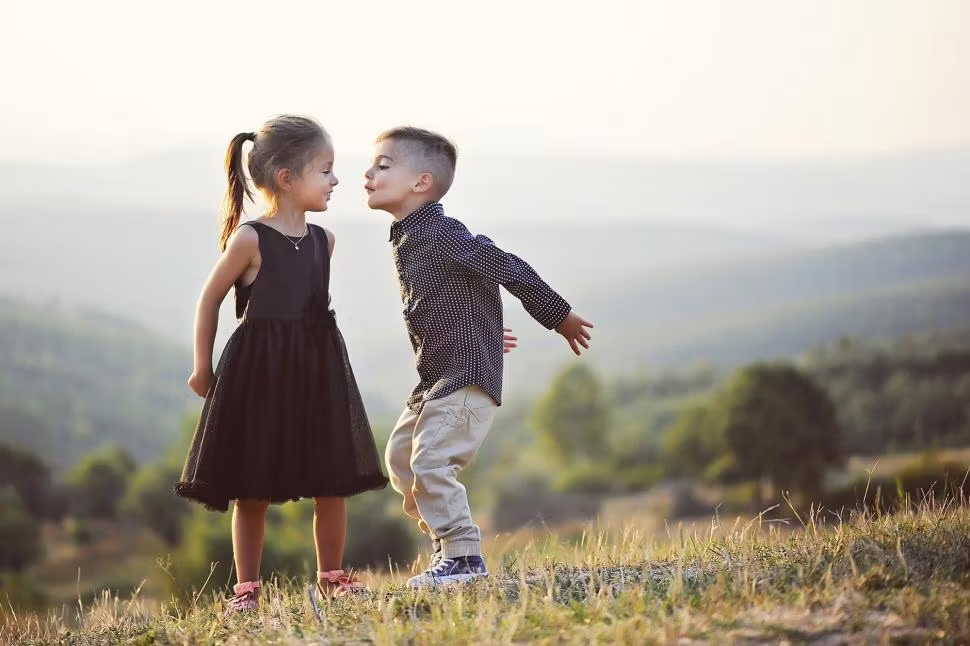
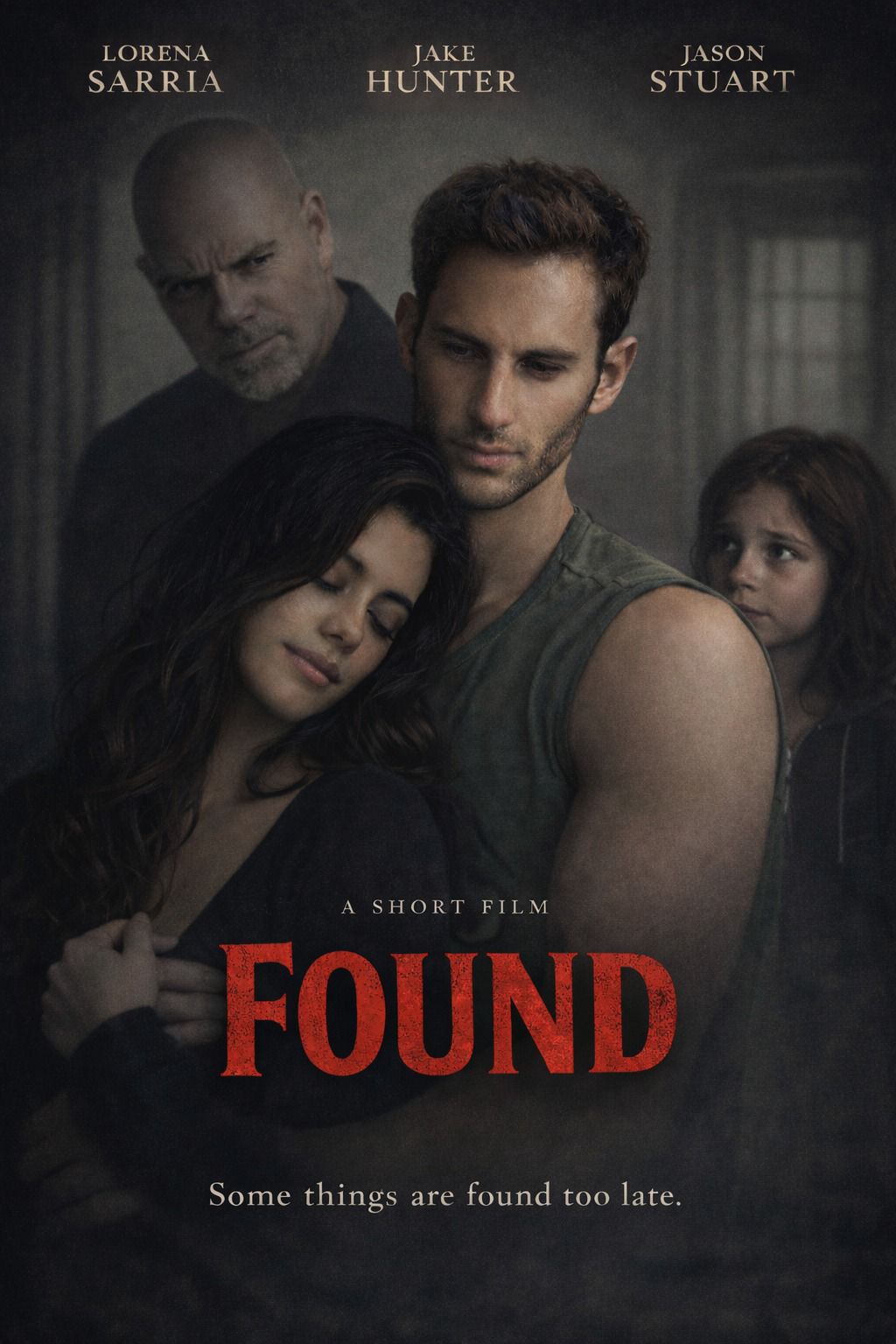
When a grieving woman reconnects with her childhood best friend, a series of vivid memories rekindles the joy they once shared until she realizes he’s been gone for years, and her final goodbye has just begun.
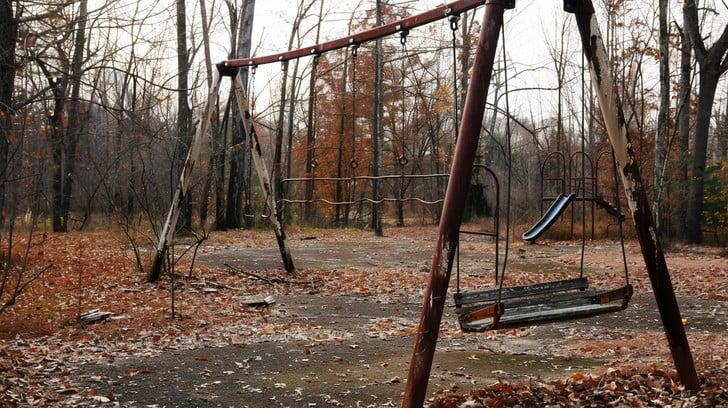
Some places don’t let you leave.
FOUND follows a woman who has built a life around “being fine”—high-functioning, composed, and emotionally armored. But when a sudden trigger pulls her back to the orphanage where she spent her earliest years, she’s forced to confront the one thing she’s avoided her entire life: the origin of her pain.
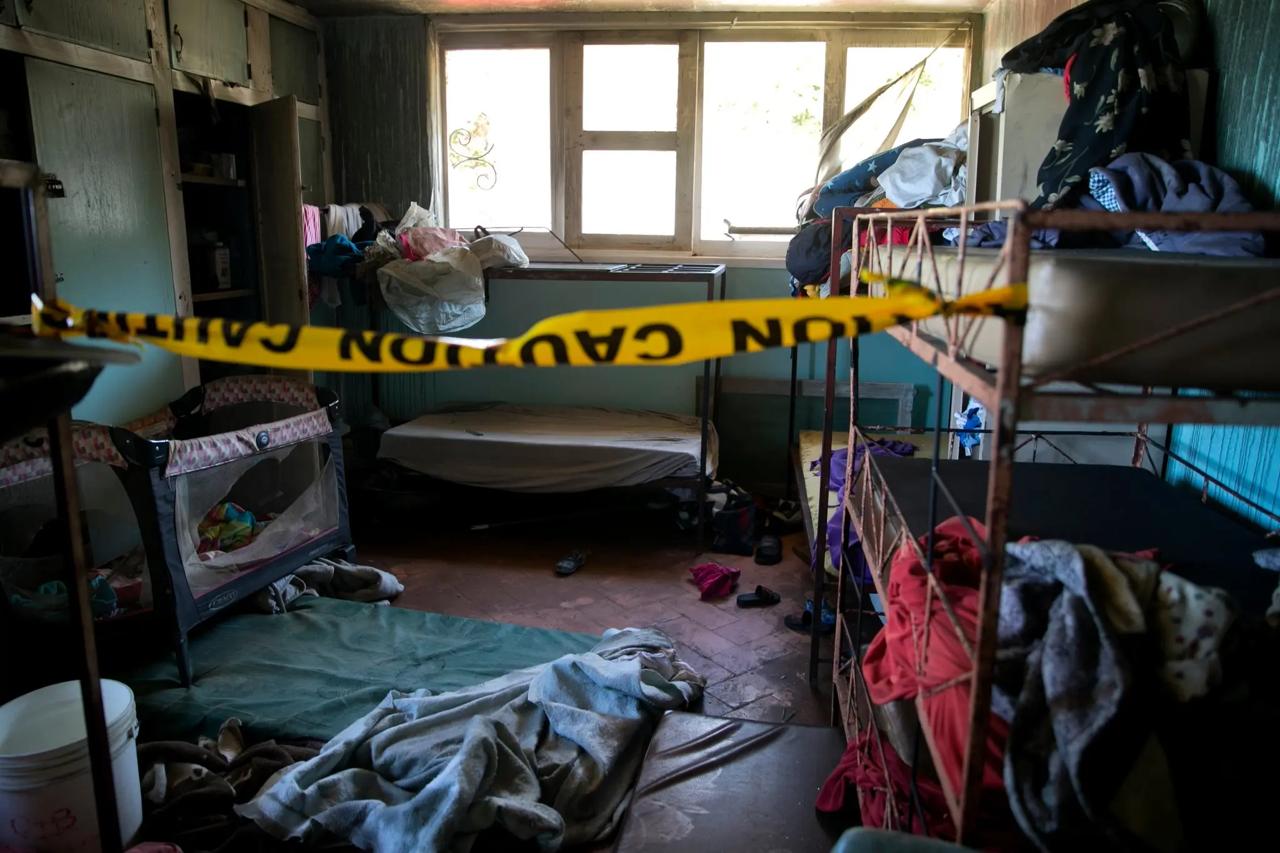
The orphanage is still there. Still quiet. Still orderly. Still haunting in the way only childhood spaces can be. Beds lined up like evidence. Blank walls that feel like they’ve watched too much. The past doesn’t come back politely; it comes back through the body—panic, nausea, flash fragments, and the sick certainty that her memory has been edited.
As she searches for answers, she begins to realize the hardest truth: what she thought was “her story” may have been shaped by other people’s choices, other people’s silence, other people’s need to keep things buried. And the closer she gets to the truth, the more unstable the line becomes between what is happening now and what already happened then.
But FOUND isn’t just about trauma. It’s about reclamation.
It’s about the moment you stop living as the version of yourself that kept you safe, and you risk becoming the version that is real. It’s about what it means to be “unwanted” as a child—and how that single wound can echo into every relationship, every decision, every moment of self-worth.
FOUND is a story about memory, abandonment, and the brutal tenderness of finally seeing yourself clearly. Not as someone broken. But as someone who survived. And who deserves to exist without apologizing for it.